
 By: Bernardo Ferdman
How Coaching Cultures Actually Take Root
By the time organizations get serious about building a coaching culture, most leaders already know two things. First, training alone isn’t enough. Second, enthusiasm fades when coaching feels like something extra.
The real question isn’t whether coaching matters. It’s how it actually takes root, and why it so often doesn’t. The short answer: coaching cultures don’t scale through inspiration. They scale through design.
Coaching Always Cascades. The Question Is What
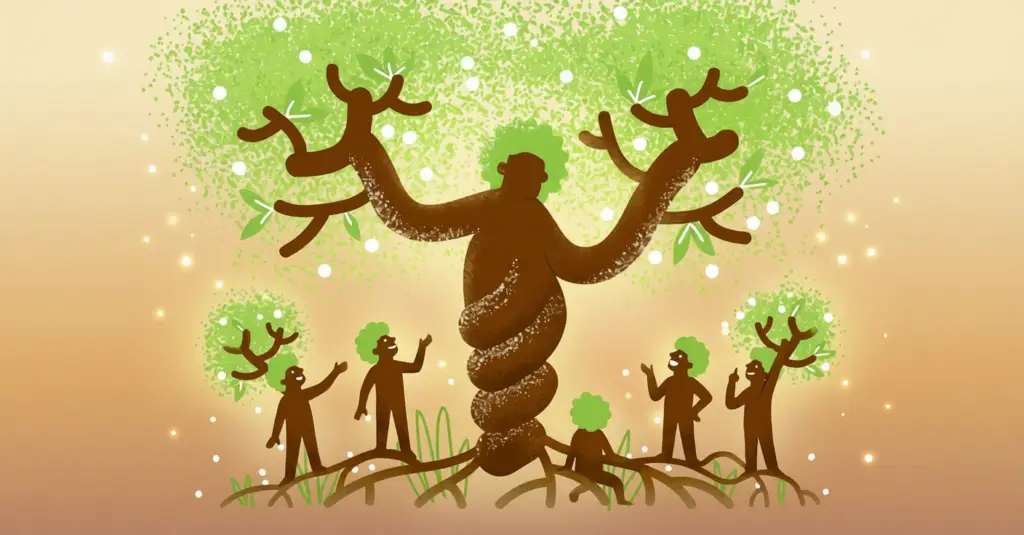
Culture is always cascading. The only question is what’s moving downward. When leaders slow down to inquire, others learn that inquiry matters. When leaders rush to answers under pressure, others learn that speed matters more than learning.
Middle managers experience this most acutely. They sit between intent and execution, translating mixed signals into daily behavior. If coaching is optional at the top, it becomes impossible in the middle.
Make Coaching Part of Leader Goals
One of the clearest signals an organization sends is what leaders are evaluated on. If coaching behaviors live only in values statements or leadership frameworks, they will lose, every time, to metrics that feel more concrete.
Embedding coaching into leader goals doesn’t mean vague expectations like “develop people.” It means naming observable behaviors, such as:
- Creating space for reflection before problem-solving
- Asking for input before forming conclusions
- Holding development conversations separate from evaluation
When coaching shows up in goals, it stops being aspirational and starts being operational.
Align Coaching With Values, or Name the Mismatch
Many organizations say they value learning, innovation, or inclusion, while rewarding predictability, speed, and individual expertise. That mismatch is exhausting. And a coaching culture can’t fix it.
What coaching can do is make it visible. When leaders use coaching to surface tensions between stated values and lived experience, they send a powerful message: learning isn’t about image management; it’s about reality.
Ignoring those tensions doesn’t protect culture. It erodes credibility.
Don’t Make Coaching Only Vertical
If coaching only flows downward, it becomes performative. People learn how to “show up” in coaching conversations with their manager, while real learning happens, if at all, elsewhere.
Peer coaching changes that pattern. When colleagues coach one another:
- Learning becomes shared rather than hierarchical
- Insight isn’t dependent on positional authority
- Development feels collective, not evaluative
Peer coaching doesn’t require elaborate structures. It requires permission, basic agreements, and protected time.
Small Practices, Big Shifts
Coaching cultures are sustained by simple, repeatable practices, not grand initiatives.
A few that consistently make a difference:
- Pre-mortems: “If this fails, what might we have missed?”
- Post-mortems: “What did we learn—without blame?”
- Assumption checks: Naming what we’re taking for granted
- Pausing before problem-solving: “What’s really going on here?”
None of these require new roles or budgets. They require leaders to value learning in the moment.
From Answers to Discovery
Leaders often think they need better coaching questions. More often, they need better noticing.
Coaching cultures grow when leaders pay attention to:
- Who speaks and who doesn’t
- When curiosity disappears
- How quickly decisions close down dialogue
Discovery isn’t about having the right script. It’s about staying present long enough for insight to emerge.
Where This Leaves Us
Coaching cultures aren’t installed. They’re practiced daily, imperfectly, under real constraints.
They ask leaders to hold tensions:
- Between speed and sensemaking
- Between clarity and curiosity
- Between accountability and learning
That work isn’t flashy. But it’s unmistakable to the people living inside it.
If there’s one takeaway from this series, it’s this:
A coaching culture isn’t something you announce. It’s something people experience, again and again, in how work actually gets done.